Why Quantum Mechanics?
Chem 3240 · Lecture 1.1
Five things classical physics cannot explain
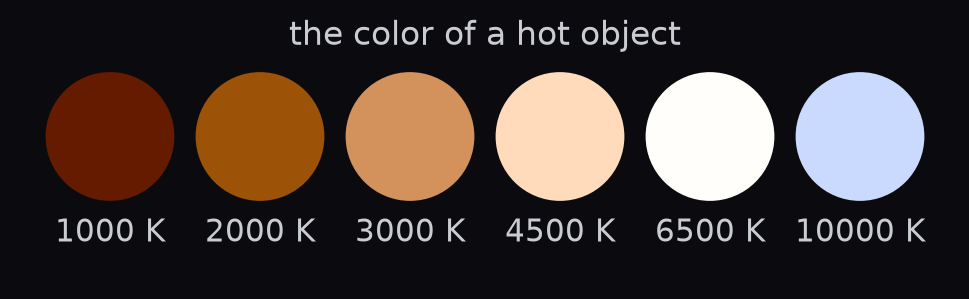
Why does hot iron glow red, then white?
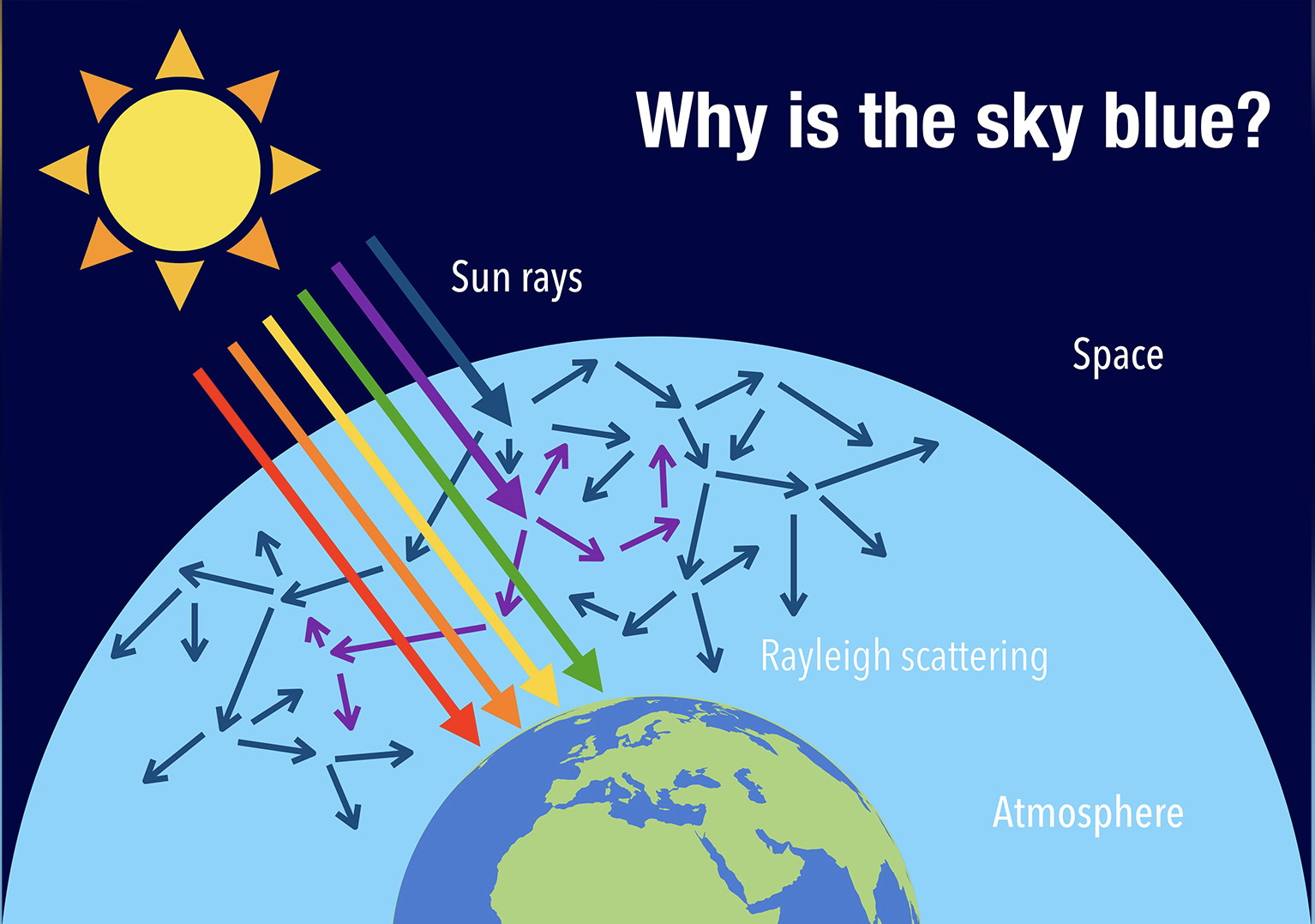
Why is the sky blue?
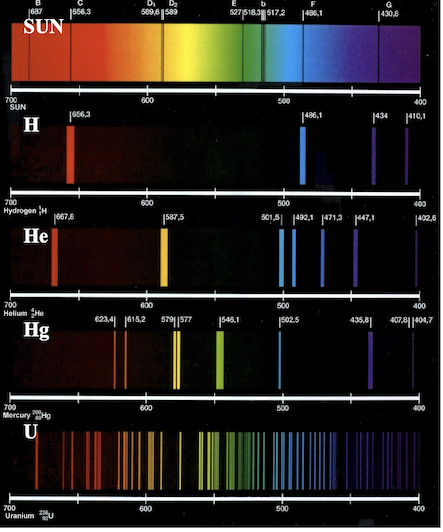
Why do stars and neon signs shine in sharp lines?
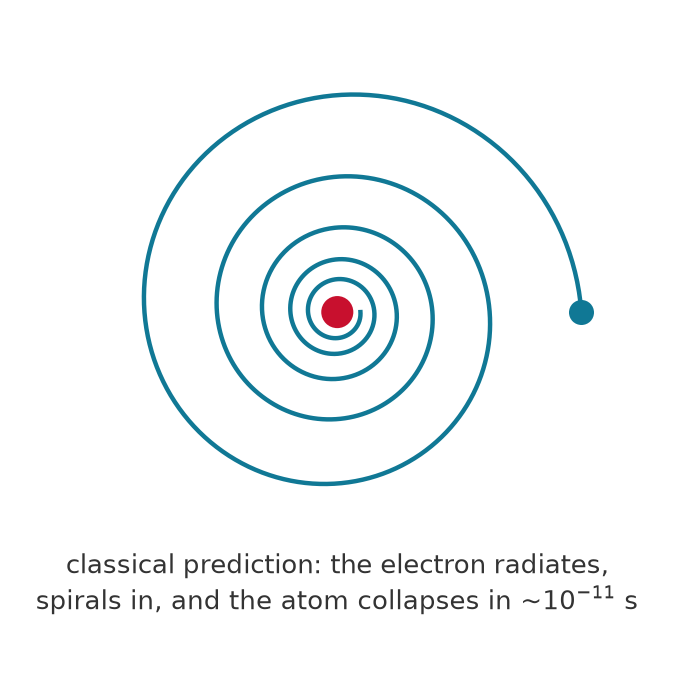
Why doesn’t the electron crash into the nucleus?
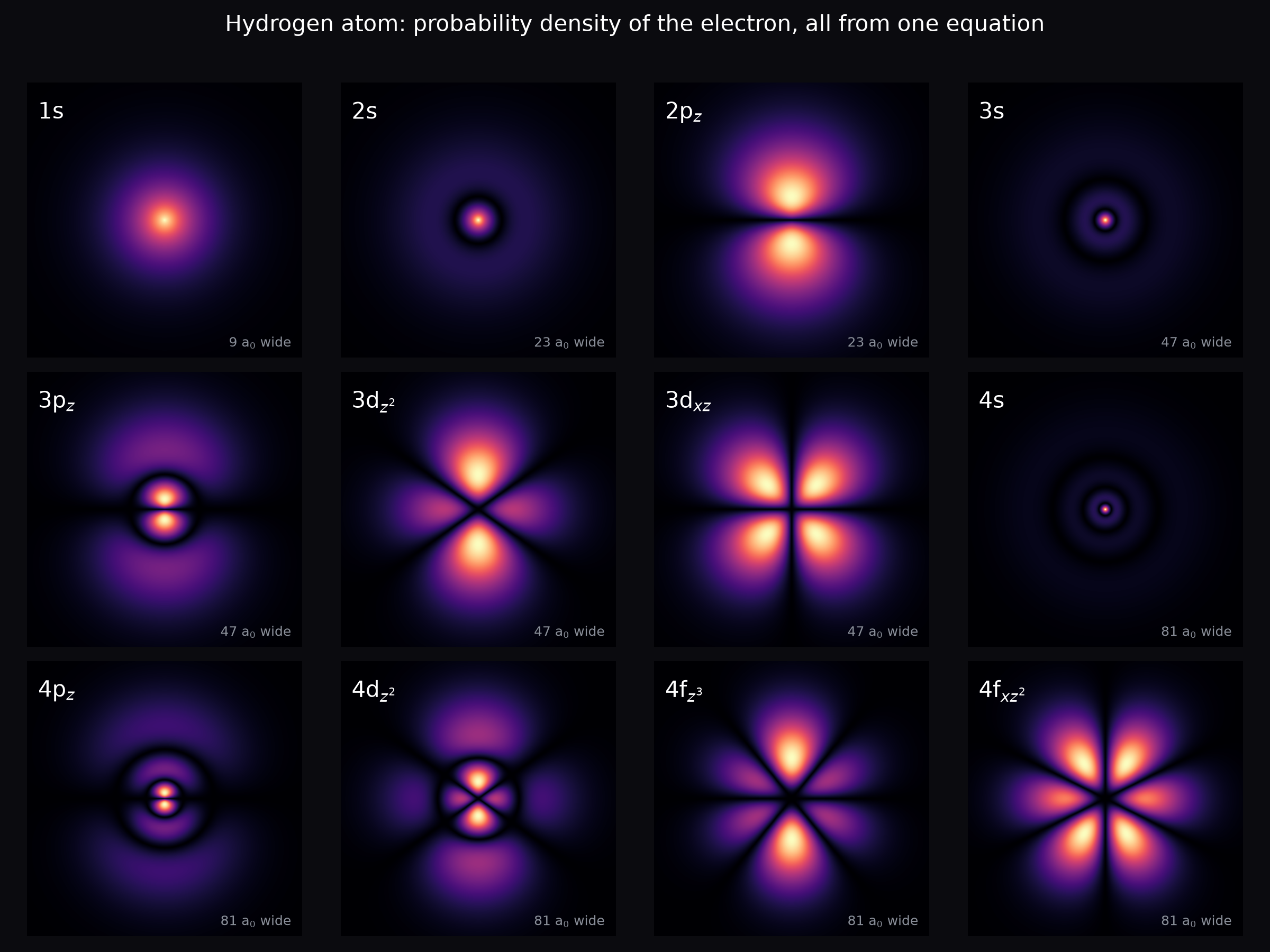
Why do electron clouds come in these shapes, and why does the periodic table follow from them?
Every one of these is answered in this course.
What is quantum mechanics?
The fundamental theory of nature, governing atoms, molecules, and subatomic particles.
- A complete description of physical reality
- Has never failed an experimental test since its discovery
- Verified to an astonishing degree of accuracy
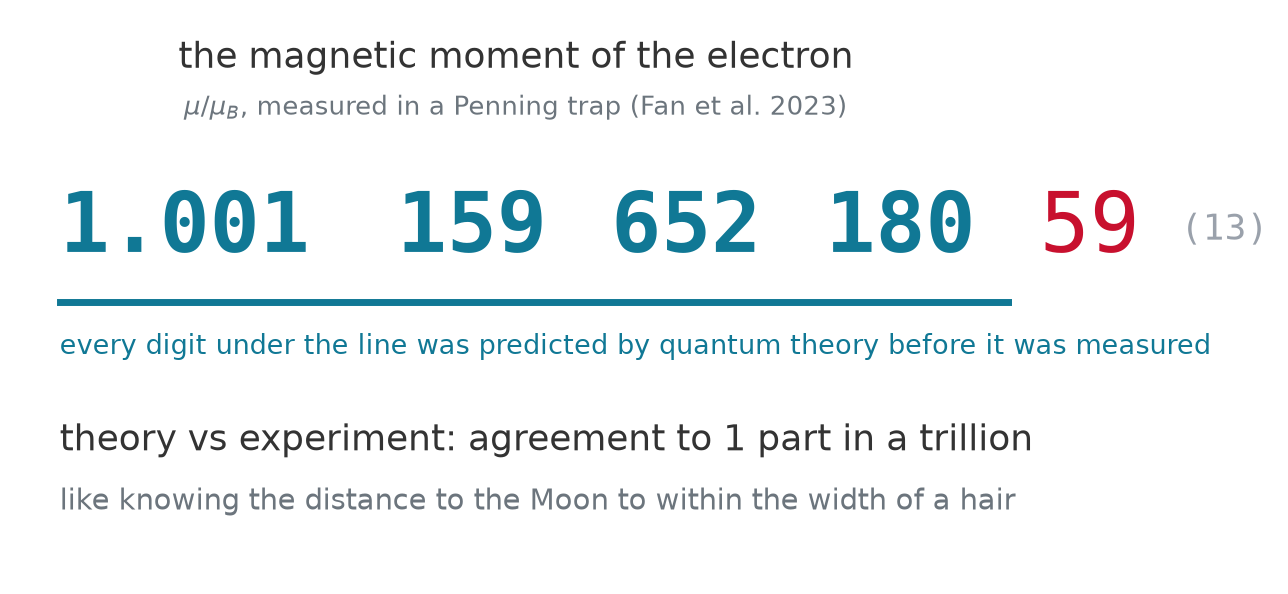
the most precisely tested prediction in all of science: theory and experiment agree to one part in a trillion. Fan, X., Myers, T. G., Sukra, B. A. D., & Gabrielse, G. (2023). Measurement of the electron magnetic moment. Phys. Rev. Lett. 130, 071801. doi:10.1103/PhysRevLett.130.071801
Beware: quantum mechanics is weird 🤯
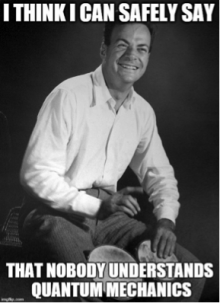
“I think I can safely say that nobody understands quantum mechanics.”
Richard Feynman
Be prepared to let go of the idea that “things make sense.” We can still master the logic of QM and apply it everywhere.
Zoom in
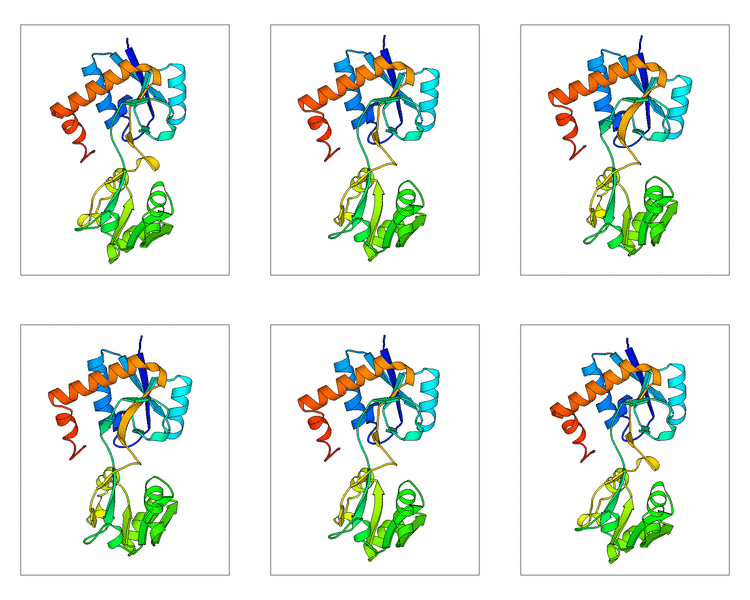
protein: Newton’s laws, ~10,000 atoms
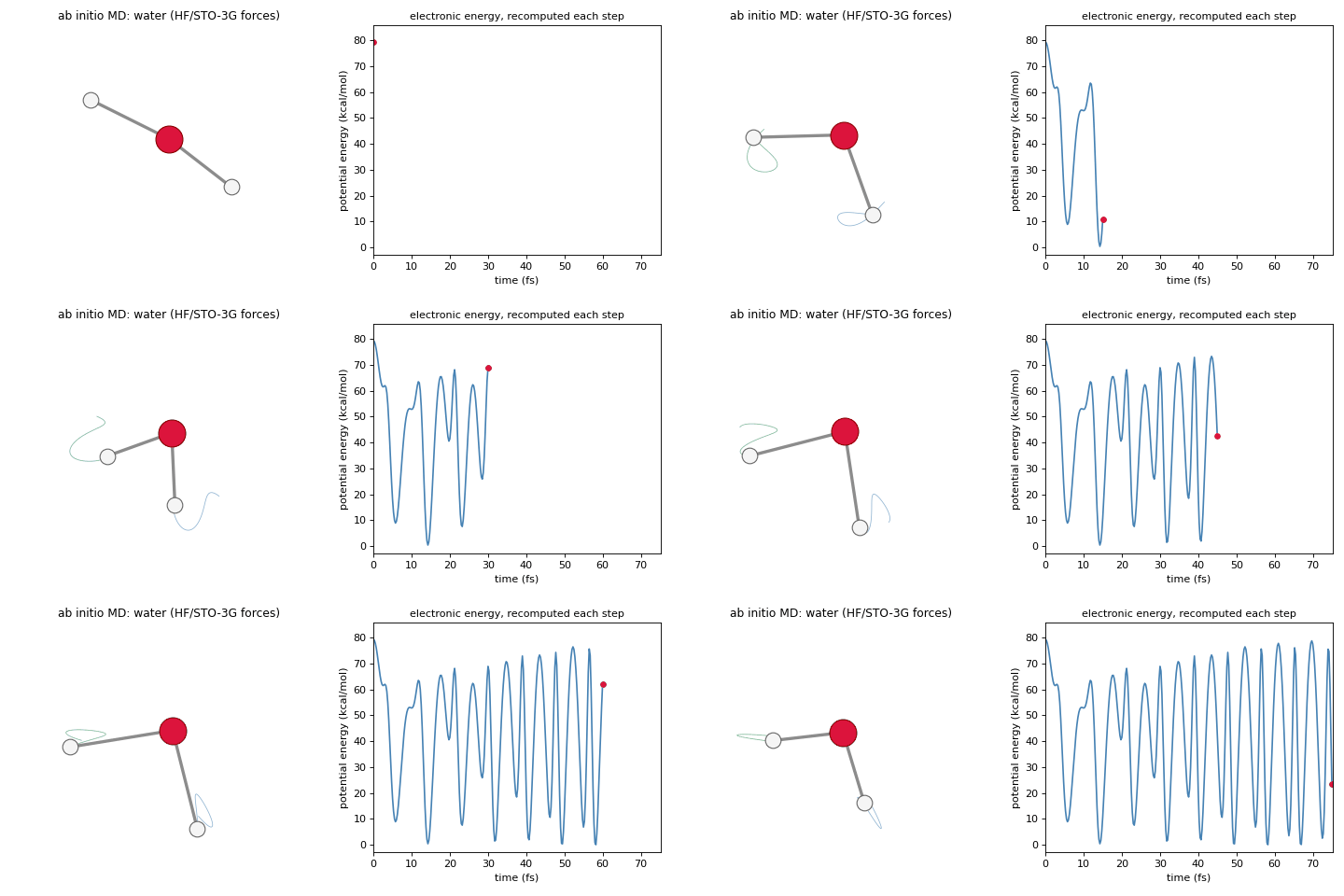
water molecule: nuclei classical, electrons quantum, computed for this course
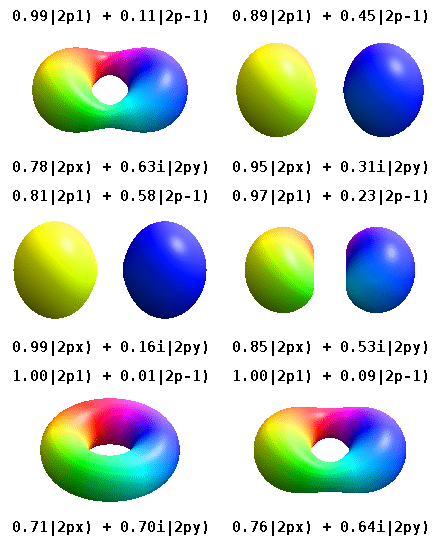
one electron in hydrogen: pure quantum, no orbit, only a wave
Same matter, three levels of description. This course is about the right-hand end.
What you will compute yourself
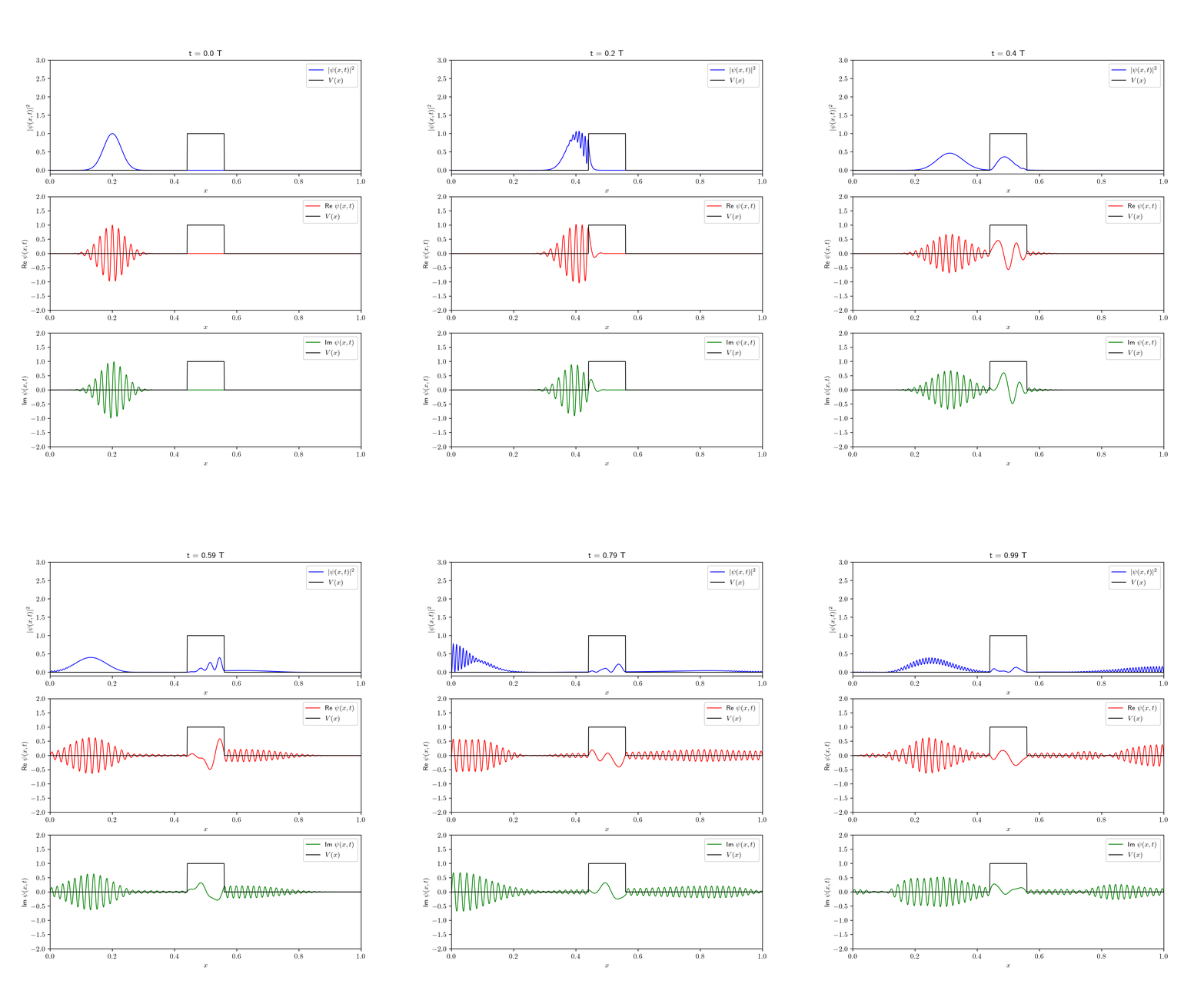
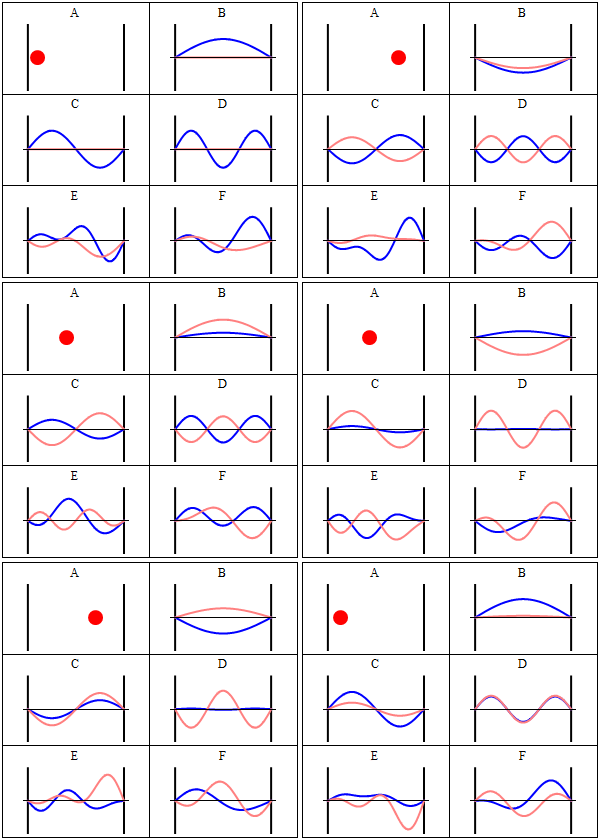
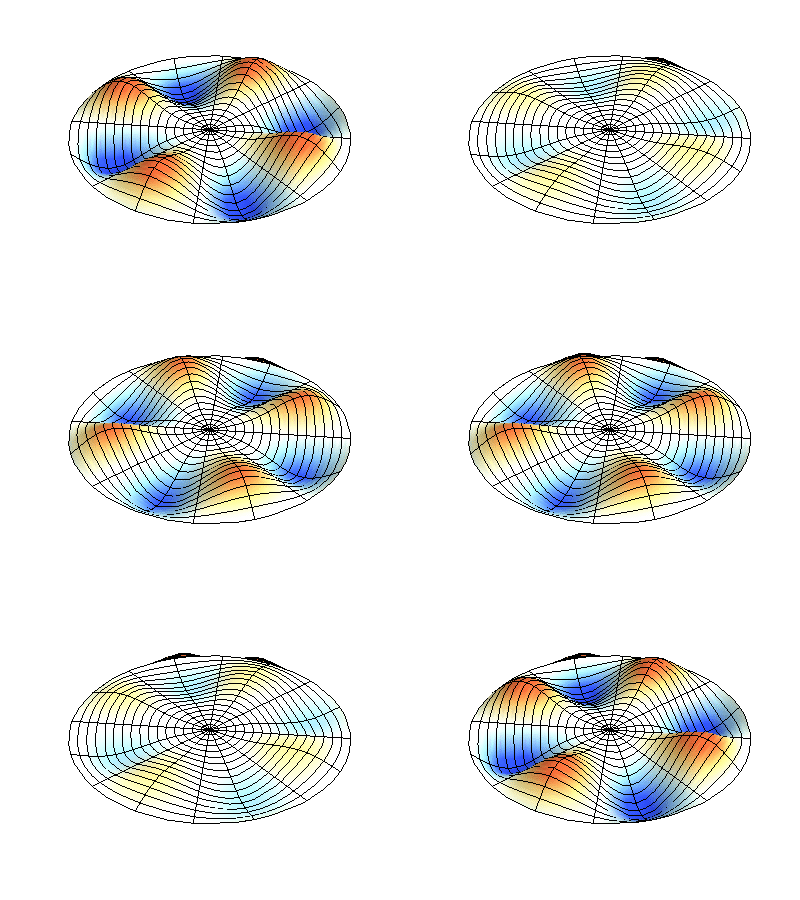
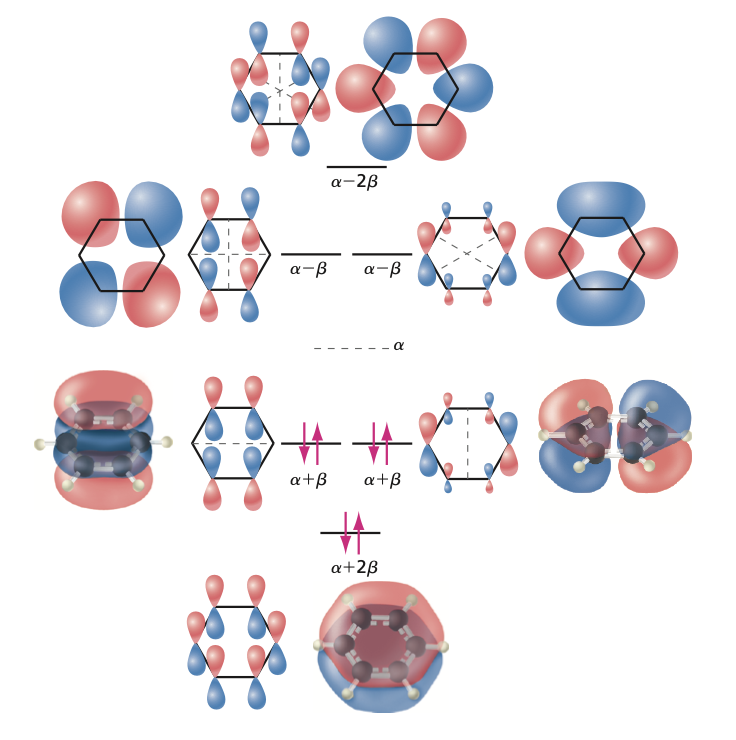
What skills will you gain?
- Probabilistic thinking and comfort with uncertainty
- Linear algebra + differential equations, applied for real
- Ability to decode electronic structure calculations in research papers
- Insight into bonding, spectroscopy, and reactivity
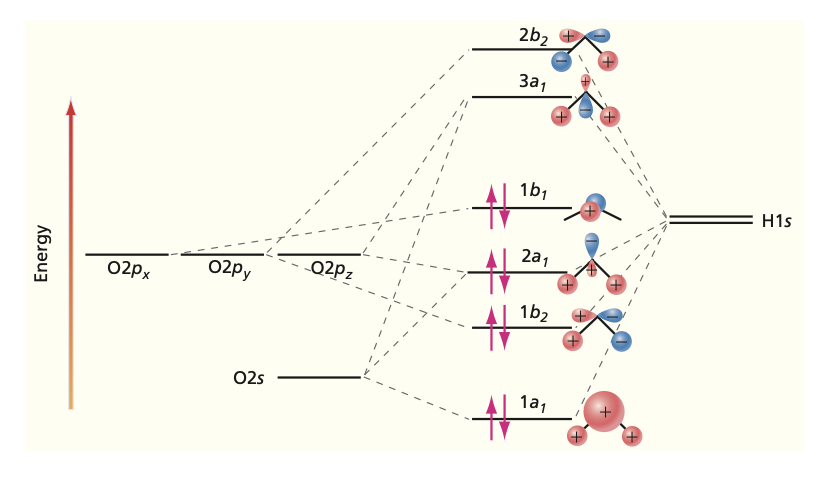
the molecular orbitals of water: by the end you will read this diagram at a glance, and compute it yourself